Lake Mead is an artificial lake located in the United States of America, between the state of Nevada and Arizona, about 60 kilometres from Las Vegas. Its privileged geographical position makes it one of the city’s main water reserves.
Water levels at Lake Mead has reached historic lows amid the summer drought, due to very high temperatures during the summer.

As in Cape Town, where inequalities persist, we can see that despite the alarming situation of the lake, and the shortages it causes, the Palo Verde Valley wants to be luxuriant for its inhabitants and tourists, almost forgetting the emergency of the situation.
The state of Arizona will receive 18% less water from the Colorado River than in a typical year. Nevada’s water allowance will be reduced by about 7%.
For American residents, this is a difficult pill to swallow. We are far from the American dream, where everything is prosperous and within reach, but in a real crisis situation where, if the government does not act, two major US states risk running out of water.
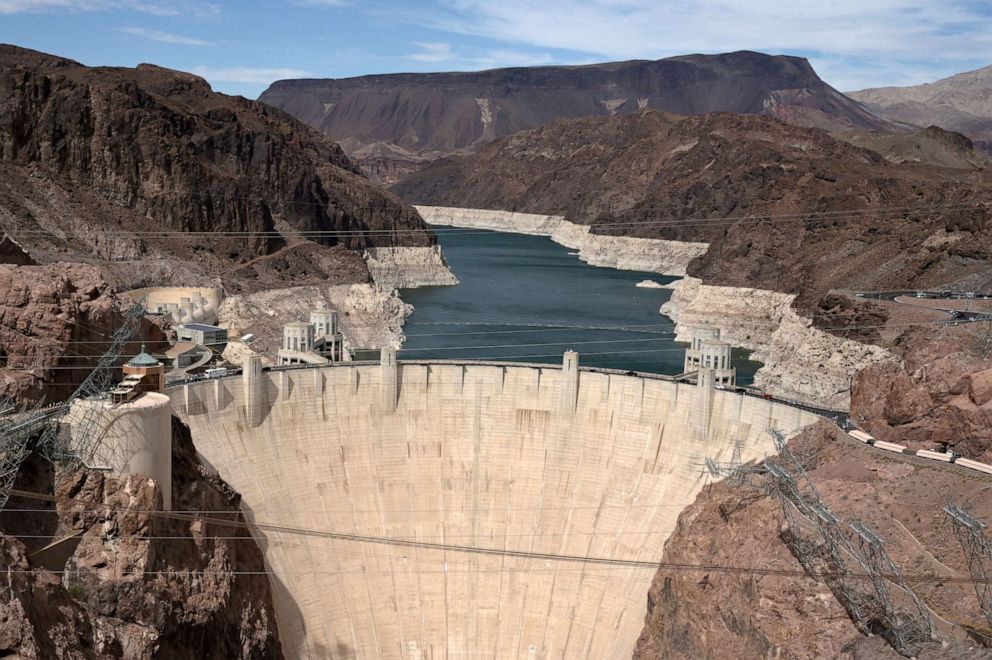
However, California farmers near the Arizona border and lake Mead will reap $38 million over three years to not plant some of their fields and leave extra water in the rapidly declining Lake Mead reservoir.
An initiative taken by the farmers of the Palo Verde Valley, in order to be able to continue to benefit sustainably from the water of Lake Mead, while adopting a more responsible approach. This partnership between the farmers themselves, the U.S. Bureau of Reclamation (which is in charge of dams, canals, and more) the Metropolitan Water District of Southern California, the Central Arizona Project and the Southern Nevada Water Authority is expected to conserve up to 180,000 acre-feet of water over the next three years, equal to about three feet of Lake Mead’s water level. An acre-foot of water is enough to supply about two households for a year.