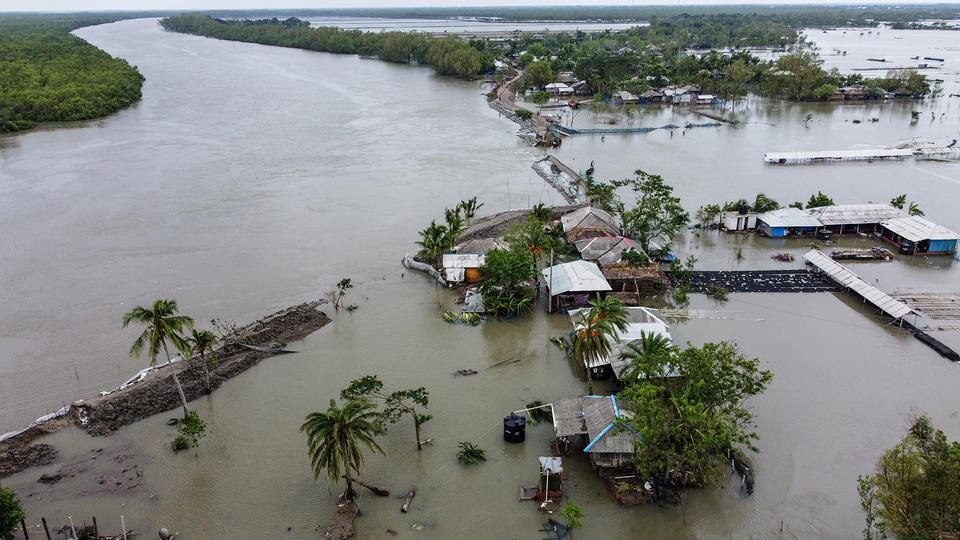
With the water level rising from 1 to 2 feet in 10 years, the situation in Bangladesh is catastrophic. For most of the year, the inhabitants of the coastal areas live under water. Already vulnerable, they are losing everything they have and the help of NGOs on the ground is precious to them. Pavel Partha is one of those who help them. A member of the Bangladeshi NGO Barcik, he conducts the study in the coastal areas. Created in 1997 and present on the coast since 2001 following a cyclone, Barcik does not have the role of providing material and financial assistance. It is responsible for accompanying the population in the development of its solution and making its voice heard.
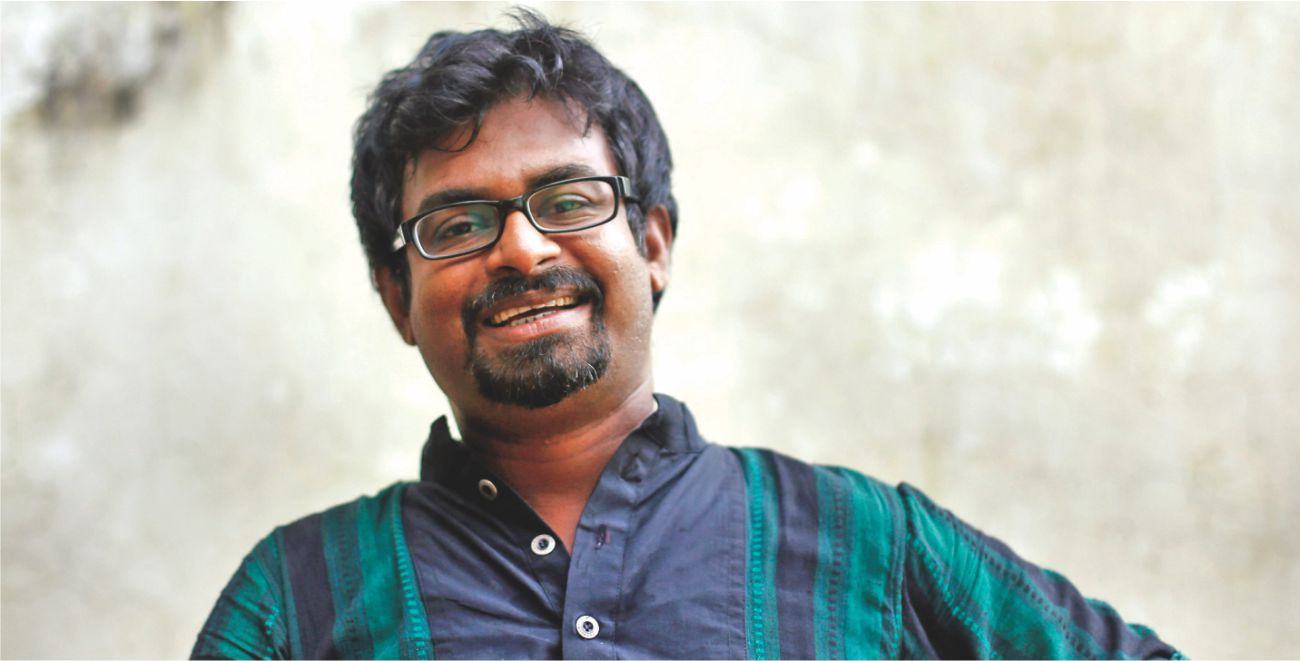
What are the missions of Barcik?
“Barcik basically works with the approach of “People lead development”, a participatory approach. Barcik first communicates with the community and learns from it. The community discusses its situation, analyses its risks, its capacities. Members of the community show to Barcik how the weather changes in this specific area, that means the precipitations, temperature, sun light, and also humidity. After this, Barcik facilitates that community to adapt programmes for its resilient future. For example, it helps them to develop adapted agricultures, make solidarity and interconnexion with the government, local governments, with the media and academic people. For instance, Barcik has planted trees in the embankment area to protect it against the cyclones or has given people chickens but the all work is driven, controlled and led by the community.”
What is the situation today in Bangladesh linked to the climate change?
“The temperature is higher than 30 years back and local people see the patterns of precipitations and cyclones have totally changed. Now, cyclones are unpredictable and more intensive. Every year, this area is affected by the cyclones. You can see marks of the water in the big trees, in their houses. Calculating the water mark from 2010 to 2021, the community can prove that level has doubled. The community develops also a traditional disaster calendar with many indicators. Before, they used tradition knowledge like sounds of birds and sounds of frogs, insects or just characteristics of some specific plants, patterns of cloud and the cycle of water. Now, it is impossible to predict the cyclones and the temperature using local knowledge.”
You say it’s the fault of the developed countries, why do you believe that?
“We are not responsible for the climate change; we are not a big carbon emission country. Developed countries have some responsibilities and they have to cooperate with the poor and vulnerable countries which are not responsible. Because of the developed countries’ carbon emissions, the Bangladeshis have to support an unbearable lifestyle, they are suffering in the coastal areas. Rich countries need to realise the critical situation of vulnerable people. What is happening in the coastal zone, is that women are suffering from the saline water and have no clean water for their bath. Children have no education. The question is how to make people realise the suffering, that soil is crying, the forest is crying and people are crying? And after, how can they help with our survival, or better adaption and resilience?”